
Bonham field notes · Buying & ownership
Two odometers can hide two very different ownership stories.
There is no mileage number in this guide that approves a used truck for purchase. Age and odometer readings help frame the questions. Maintenance evidence, actual condition, configuration and intended use help you assess the answers.
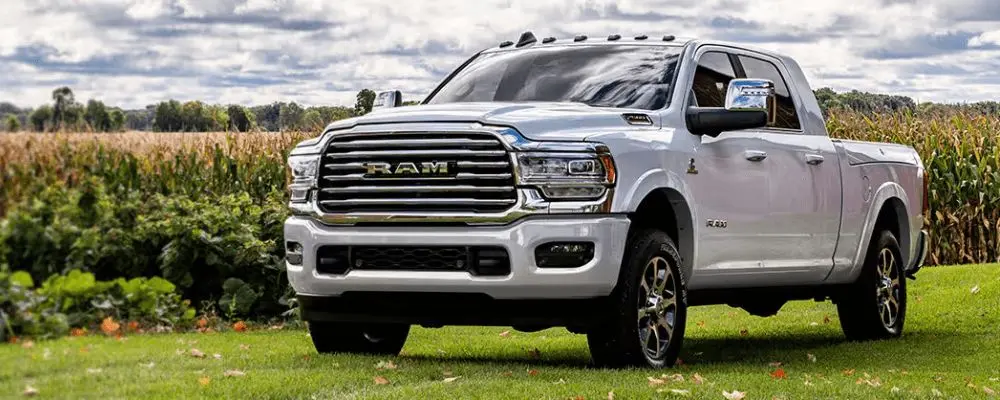
Two fictional candidates. No automatic winner.
Teaching scenarios only: these are invented trucks, not listings, customer stories or measured reliability results.
Truck A
Eight years old · 72,000 miles. The lower reading does not reveal storage conditions, maintenance gaps or present condition.
Truck B
Four years old · 128,000 miles. The higher reading does not tell you how the miles accumulated or what has already been maintained.
Use the numbers to open the conversation
A shopper who immediately picks Truck A has assumed that fewer miles resolve the rest of the comparison. A shopper who automatically picks Truck B because it is newer has made a different unsupported assumption. Neither truck’s two headline numbers describe its complete condition.
Write your intended use beside each candidate: ordinary commuting, frequent hauling, towing within the actual configuration’s limits or occasional weekend trips. You are comparing suitability for that job, not trying to crown one odometer reading as best for everyone.
Build a maintenance timeline, not a stack of receipts
Arrange available records by date and mileage. Identify what the documents actually say was performed, which vehicle they identify and which periods remain undocumented. An empty period is an unknown; it does not prove either neglect or perfect maintenance.
Use the applicable model-year and configuration-specific maintenance information when asking what matters next. Do not import a generic internet service interval into a truck with different instructions or operating conditions. Ask a qualified provider to connect the records and inspection findings with the candidate’s current needs.
Compare the next chapter of ownership
The useful question is what you may need to resolve after purchase. Request a written assessment of identified concerns and, where appropriate, estimates for proposed work. Distinguish findings from possibilities. Do not convert every possible future failure into a fabricated repair bill.
The FTC’s used-car guidance recommends an independent inspection and written terms. A history report supplies another kind of information. Neither the report nor a pleasant drive substitutes for an appropriate evaluation of current condition. Ask the inspector which systems and questions are outside the scope.
Decide what evidence would change your shortlist
Return to the fictional pair. What if one truck has a well-documented recent repair but the other has an unresolved warning? What if the equipment you need is missing from the newer truck? These questions can change the comparison without changing either odometer.
Record the unresolved issue and the evidence needed to answer it. If the evidence cannot be obtained, keep the limitation visible in your decision. This approach will not predict reliability or eliminate ownership risk; it helps prevent a single number from making the decision for you.
Compare candidates on the same five lines
Copy these prompts into your own notes, or print and write on the lines. This page has no form fields and does not save answers. Keep sensitive information in your private records.
- Identity
- Exact candidate, age, odometer and required configuration
- Use history
- What is documented, what is reported and what remains unknown
- Maintenance
- Dated records matched to the vehicle; gaps and applicable instructions
- Current condition
- Independent assessment, exclusions and identified work
- Next decision
- Missing evidence that could change the shortlist
Questions readers ask
Is a lower-mileage truck always the better buy?
No. Compare records, condition, equipment and intended use. A lower reading alone does not establish suitability or predict reliability.
Should I reject every truck above a fixed mileage?
This guide sets no universal cutoff. Define your needs and obtain appropriate evidence and inspection for the actual candidate.
Continue with a related question
- Repair or Replace an Older Truck? Compare the Same Time Period.
- Truck Bed Size: Measure the Space Your Cargo Actually Uses
From our published guides: VIN Checks, History Reports, Recalls and Inspections: Four Different Answers · Buying a Used Truck From Far Away? Ask for This Evidence Packet First · Buying a Used Truck in Bonham: A Practical Inspection Plan.
Research behind this guide
- FTC — Buying a Used Car From a Dealer
- NMVTIS — Understanding a Vehicle History Report
By Bonham Chrysler · Prepared with AI assistance · Published November 2, 2026. Original teaching diagrams and scenarios are labeled. No hands-on test, actual customer case or staff technical review is claimed.