

Bonham field notes · Buying & ownership
A feature name, an installed system and its operating limits are three different checks.
Before choosing a vehicle for a driver-assistance feature, confirm that the actual candidate has the system, identify what it is designed to do and read its limitations. A familiar button or listing phrase does not establish every capability you may associate with the name.
Warning · Intervention · Ongoing assistance
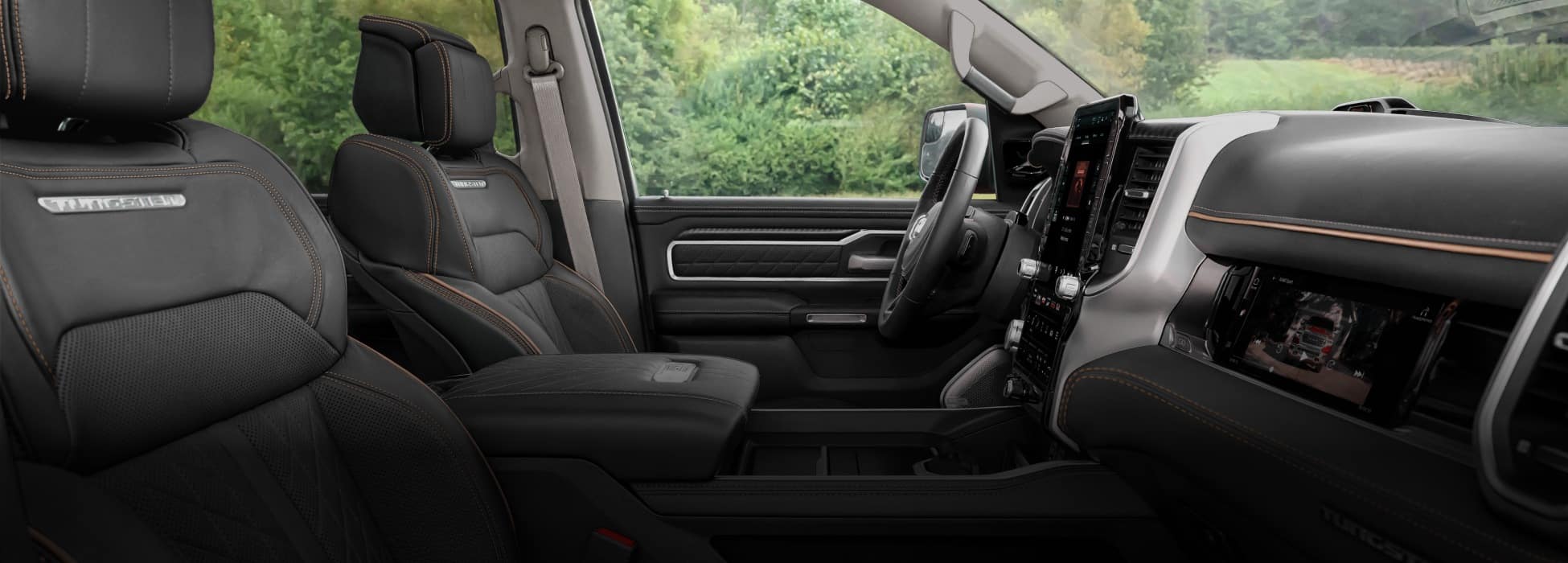
Conceptual categories drawn from NHTSA’s explanation. These cards do not identify the equipment on the pictured cabin or any current listing.
Warning
A system may alert the driver to a condition without performing the corrective action you expect.
Intervention
Another system may provide braking or steering intervention in specified circumstances. That is different from a guarantee it will prevent a crash.
Driving assistance
Adaptive cruise and lane-related assistance have defined functions and limits. The driver remains responsible and attentive.
Translate the marketing name into a precise question
Ask which system the listing describes and obtain the applicable equipment information for that vehicle. Similar phrases across brands or model years may not describe identical functions. Keep the exact name from the documentation in your notes so later explanations refer to the same thing.
NHTSA distinguishes collision warnings, intervention and driving-control assistance. It describes adaptive cruise as adjusting speed to maintain a selected distance from a vehicle ahead. Do not infer lane control, stop-and-go behavior or other features beyond what the actual instructions establish.
Separate original equipment from present condition
Factory equipment information helps identify how a vehicle was configured. It does not establish that every system is currently operating correctly or that all required evaluation after repairs has occurred. For a used candidate, ask about relevant records and unresolved warnings.
Have present-condition questions evaluated by an appropriately qualified provider. A quiet dashboard or a seller’s assurance is not a complete technical assessment. Ask what was evaluated and what remains outside the scope, especially when the feature is central to your decision.
Learn the operating limits before relying on assistance
Locate the correct manual and any applicable supplemental instructions. Ask how the system indicates availability, what the driver must monitor and which conditions limit operation. Record questions rather than treating an unfamiliar icon as proof of readiness.
Arrange any explanation safely and appropriately with the seller. Do not create a collision risk, deliberately leave the lane or step into a vehicle’s path to test a feature. This article provides no road-test procedure, calibration instruction or method for defeating a safety system.
Make your purchase requirement verifiable
Write a requirement in terms another person can check: the exact feature, the candidate’s equipment evidence, the applicable instructions and any condition assessment still needed. That is more useful than a general demand for the safest or most advanced trim.
If a feature cannot be verified, mark it unknown instead of assuming it is included. No assistance system in this guide is presented as a substitute for an attentive driver or as proof a vehicle can drive itself. Select and operate equipment using the actual instructions and appropriate guidance.
A feature requirement you can verify
Copy these prompts into your own notes, or print and write on the lines. This page has no form fields and does not save answers. Keep sensitive information in your private records.
- Exact name
- Brand/model-year system name and desired function
- Equipment evidence
- Candidate identity and applicable configuration records
- Instructions
- Correct manual, operating limits and driver responsibilities
- Condition
- Relevant assessment, warnings, records and exclusions
- Unresolved
- Questions needing qualified explanation before relying on the feature
Questions readers ask
Does adaptive cruise imply lane-centering assistance?
Do not assume so. Verify each installed system and its functions separately in the applicable vehicle information.
Should I trigger a dangerous situation to prove a feature works?
No. Seek a safe appropriate explanation and qualified evaluation; do not create a road or collision hazard.
Continue with a related question
- New-Vehicle Delivery Day: Check the Match and Keep the Record
- Winter Road-Trip Preparation: Resolve the Vehicle Questions Before You Pack
From our published guides: A Better Test Drive: Bring Your Real Life Along · VIN Checks, History Reports, Recalls and Inspections: Four Different Answers · Buying a Used Truck From Far Away? Ask for This Evidence Packet First.
Research behind this guide
- NHTSA — Driver Assistance Technologies
- Applicable vehicle and system owner instructions
By Bonham Chrysler · Prepared with AI assistance · Published November 2, 2026. Original teaching diagrams and scenarios are labeled. No hands-on test, actual customer case or staff technical review is claimed.