
Bonham field notes · 09 / 10
A lift and larger tires create questions that photographs cannot answer.
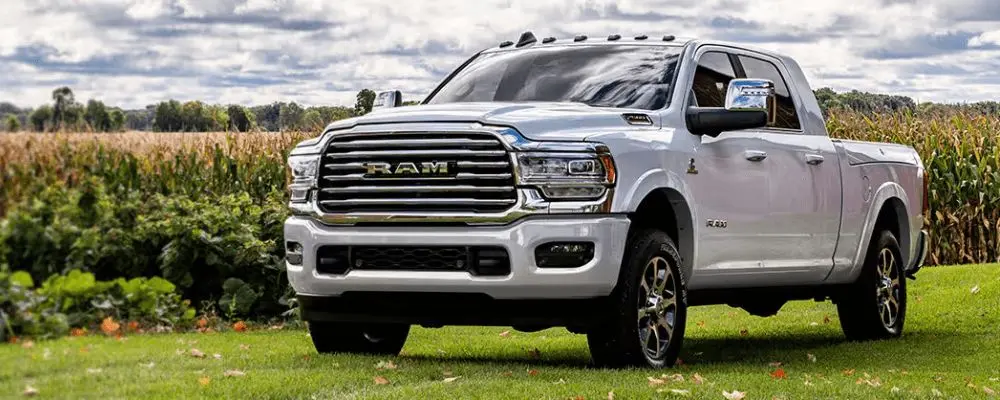
A modified truck can look complete while its documentation is incomplete. Before buying, find out what changed, which parts were used, who installed them and what a qualified inspection still needs to establish. Appearance is not evidence of compatibility or condition.
- Identify changes
- Collect records
- Check applicability
- Inspect the combination
Build a change list before making a judgment
Start with the listing and the seller’s written answers. Ask about suspension changes, wheels, tires, steering-related work, hitch additions and other modifications. Record the manufacturer and part identifier where available. “Professionally installed” is a claim to document, not a substitute for knowing what was installed.
Separate changes you can see from changes the seller describes and questions still unanswered. A photo can help identify a component; it cannot establish its installation quality, the whole system’s compatibility or how the truck behaves under every driving condition. Request redacted records where needed instead of collecting prior owners’ personal details.
Match instructions to the actual combination
Ask for the applicable product instructions and installation records. Establish whether they identify this truck’s configuration and the actual component. If paperwork describes a different part or vehicle, keep that mismatch in the open and request an explanation. Do not borrow an unrelated installation sheet to fill the gap.
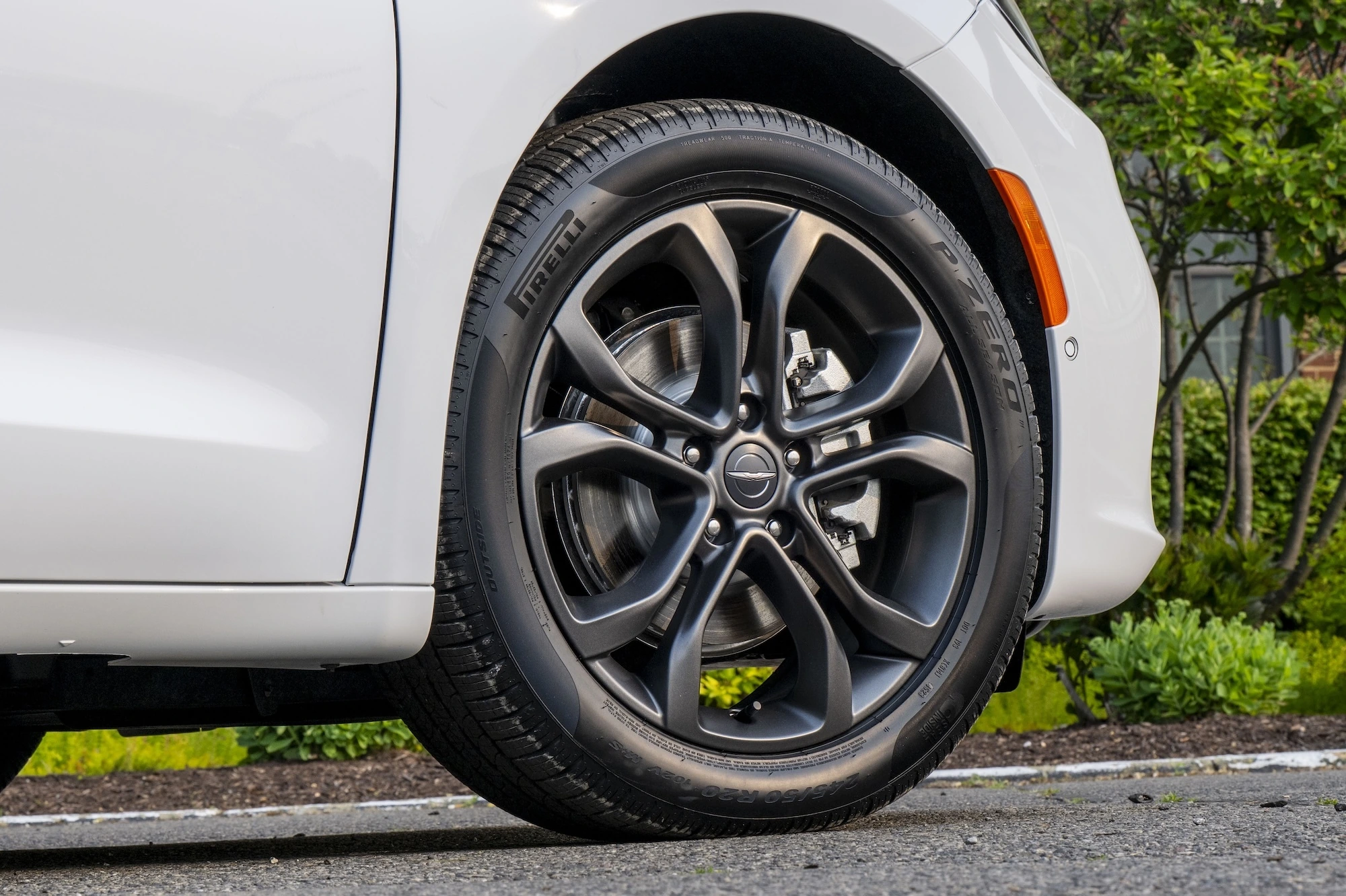
Bring tire and vehicle information to a qualified professional. NHTSA’s tire guidance emphasizes vehicle-specific information and tire care. A different tire or wheel setup needs more consideration than whether it fits in the photograph. Ask which requirements apply to the actual configuration, including questions raised by the installed modifications.
Keep ratings and warranty claims specific
Do not treat an accessory’s advertised rating as an increase in the vehicle manufacturer’s limits. Towing involves the actual vehicle, load, equipment and applicable limits; a badge, lift or larger tire does not complete that review. If towing matters, collect the vehicle labels, correct manual information and installed hitch documentation for a qualified assessment.
Likewise, ask for the actual written warranty terms relevant to the vehicle and parts. Avoid sweeping claims that every modification preserves all coverage or voids all coverage. Identify the provider, the specific question and the written response you need before proceeding.
Choose inspection scope to match the changes
Give the change list and records to an independent inspector whose expertise and facilities suit the truck. Ask which modified systems they can assess and what remains outside their scope. A general inspection and a specialized evaluation may answer different questions; clarify this before booking.
Use the report to resolve the questions that matter to your intended use. If important records cannot be obtained or a relevant system cannot be evaluated, mark that limitation explicitly. A thick file is useful only when the documents describe the actual truck and the unresolved issues remain visible.
Modified-truck evidence file
Copy these prompts into your notes or print this section and write on the lines. This page has no form fields and does not store your answers. Keep personal account and financial details in your own records.
- Change inventory
- Visible changes, seller-described changes and unknowns
- Parts
- Maker, part identity and vehicle applicability
- Installation
- Invoice, applicable instructions and unresolved differences
- Use limits
- Vehicle labels, actual equipment and questions for a qualified evaluator
- Inspection
- Relevant expertise, written scope, findings and exclusions
Questions worth asking
Does a larger tire or stronger hitch increase the truck’s rating?
Do not infer a higher vehicle limit from an accessory. Verify the actual vehicle and equipment requirements and resolve the combination with a qualified professional.
Are photographs enough to approve a modified truck?
Photographs help identify questions. They do not replace the records and appropriate independent inspection needed to assess the actual vehicle.
Continue with the question that comes next
- Buying a Used Work Truck? Ask for the Body and Equipment File
- Two Tire Quotes, One Fair Comparison
- The Hitch Is a Chain of Parts. Check the Whole File.
From our existing guides: Buying a Used Truck From Far Away? Ask for This Evidence Packet First · 2024 RAM 2500 Used-Buyer Review: Equipment, Ratings and Condition.
Research behind this guide
- NHTSA — Tires
- RAM vehicle documentation and CURT towing-component guidance — equipment and vehicle limits
By Bonham Chrysler · Prepared with AI assistance · Published November 1, 2026. This guide offers an original question-and-record framework; it does not report a hands-on vehicle test. Source references are shown as names so you can continue your visit on our site.