
Bonham field notes · 10 / 10
A conventional trailer connection needs more than one impressive rating.
A receiver label describes one component. It does not establish that every other part of the trailer connection is compatible, correctly installed or suitable for the actual combination. Collect the evidence for the complete hardware chain and the vehicle and trailer it connects.
- Receiver
- Ball mount
- Ball
- Coupler
Name the parts before comparing the numbers
In a conventional receiver-hitch arrangement, the receiver, ball mount, hitch ball and trailer coupler perform different jobs. CURT’s component guidance distinguishes these parts. A quotation or listing that says only “tow package” does not identify every item in the actual connection.
Create a simple inventory using the names in the applicable documentation. Record the maker and model or part identifier, readable markings and the instructions that belong to each item. The four-part diagram in this article is an evidence organizer, not an exhaustive checklist of required equipment or an assembly procedure.
Collect the rating and its conditions together
For each component, ask what the marking means and which instructions or conditions accompany it. Do not separate a headline rating from limitations that affect its use. If a label cannot be read or the part cannot be identified, treat that as an unresolved question rather than assigning it a convenient rating.
Ask a qualified towing-equipment professional to verify compatibility and installation for the actual configuration, including any adjustable or specialized equipment. The coupler and ball must be appropriately matched; do not infer a match from a distant photograph. This article gives no torque values, adjustment settings or installation directions.
Bring the vehicle and trailer back into the picture
Even documented hardware does not finish the towing assessment. Obtain the correct vehicle information, labels and actual trailer documentation, along with evidence of the planned loaded condition. Vehicle, axle, tire, trailer and other applicable limits still matter. A stronger accessory does not raise the vehicle manufacturer’s rating.
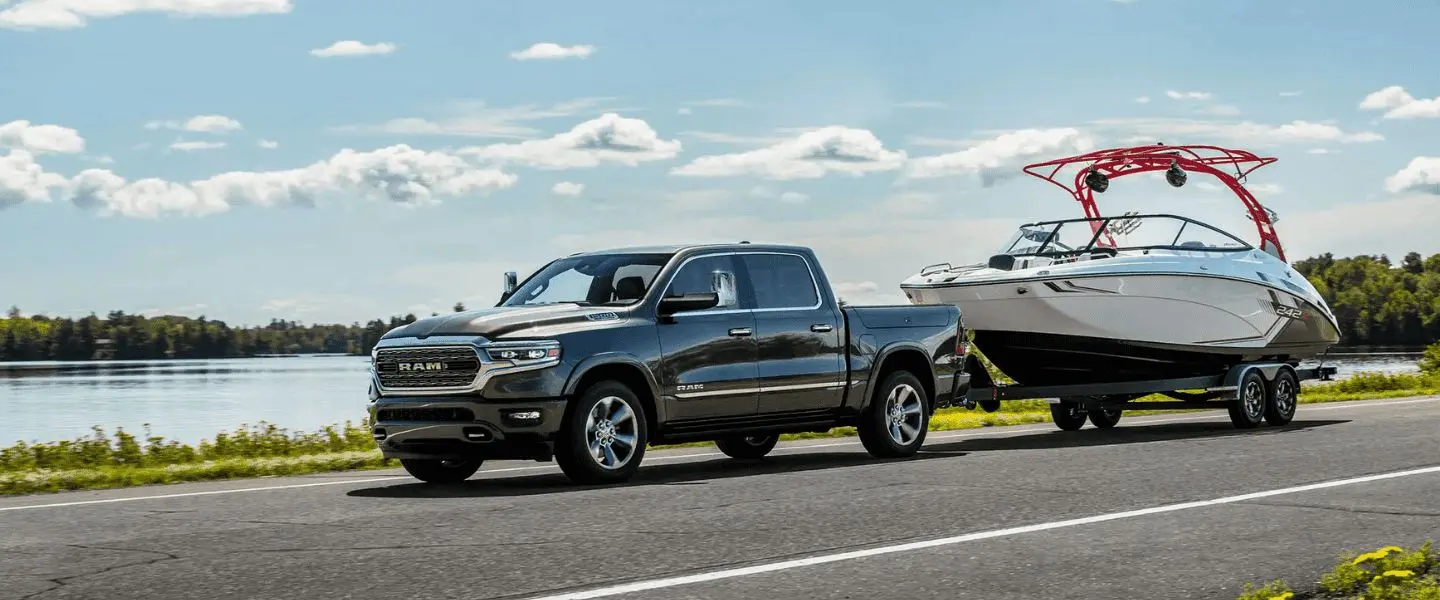
Keep connection questions separate from your overall trip inventory. People, cargo, installed equipment and trailer load all need appropriate accounting. The boat-trip worksheet organizes that broader shopping conversation; it cannot certify a hitch installation or establish the limits of a particular combination.
Resolve the unknowns before relying on the setup
If you are considering a used truck with hardware already installed, request its records before assuming it is ready for your trailer. Give the qualified evaluator the actual equipment list and intended use. Ask what they examined, which documentation they used and what remains outside their assessment.
Keep the resulting records with the vehicle and trailer information. Any later equipment change is a reason to revisit the affected questions. This is a purchasing and documentation guide; follow the applicable manufacturers’ instructions and appropriate professional guidance for installation, inspection and operation.
The conventional-hitch evidence chain
Copy these prompts into your notes or print this section and write on the lines. This page has no form fields and does not store your answers. Keep personal account and financial details in your own records.
- Receiver
- Identity, markings, applicable instructions and installation evidence
- Ball mount
- Exact configuration, conditions and compatibility questions
- Ball and coupler
- Actual identities, matching requirements and documentation
- Whole combination
- Vehicle/trailer information, loaded condition and remaining limits
- Qualified review
- Scope, findings, exclusions and unresolved equipment questions
Questions worth asking
Is the receiver rating the truck’s towing capacity?
No. It describes one part of the system. The actual vehicle configuration, loads, trailer and other equipment limits must also be considered.
Can this diagram tell me how to install a hitch?
No. It organizes documentation questions. Use the actual applicable instructions and qualified help for installation and assessment.
Continue with the question that comes next
- Buying a Used Work Truck? Ask for the Body and Equipment File
- Buying a Modified Used Truck? Ask for the Build File.
- VIN Checks, History Reports, Recalls and Inspections: Four Different Answers
From our existing guides: Choosing a Truck for the Whole Fishing Trip · Choosing a Truck for Your Horse Trailer in Bonham, Texas.
Research behind this guide
- CURT — Basic Towing Components and adjustable-hitch buyer guidance
- RAM — applicable vehicle owner and towing documentation
By Bonham Chrysler · Prepared with AI assistance · Published November 1, 2026. This guide offers an original question-and-record framework; it does not report a hands-on vehicle test. Source references are shown as names so you can continue your visit on our site.