
Bonham field notes · Understand your vehicle
Use the cabin, cargo and parking questions that affect your actual week.
The RAM 1500 and Jeep Gladiator can both put an open cargo bed behind a passenger cabin, but they are different vehicles with different configurations and priorities. Compare the actual space, equipment and loaded-use requirements you need before treating a truck-class label as the answer.
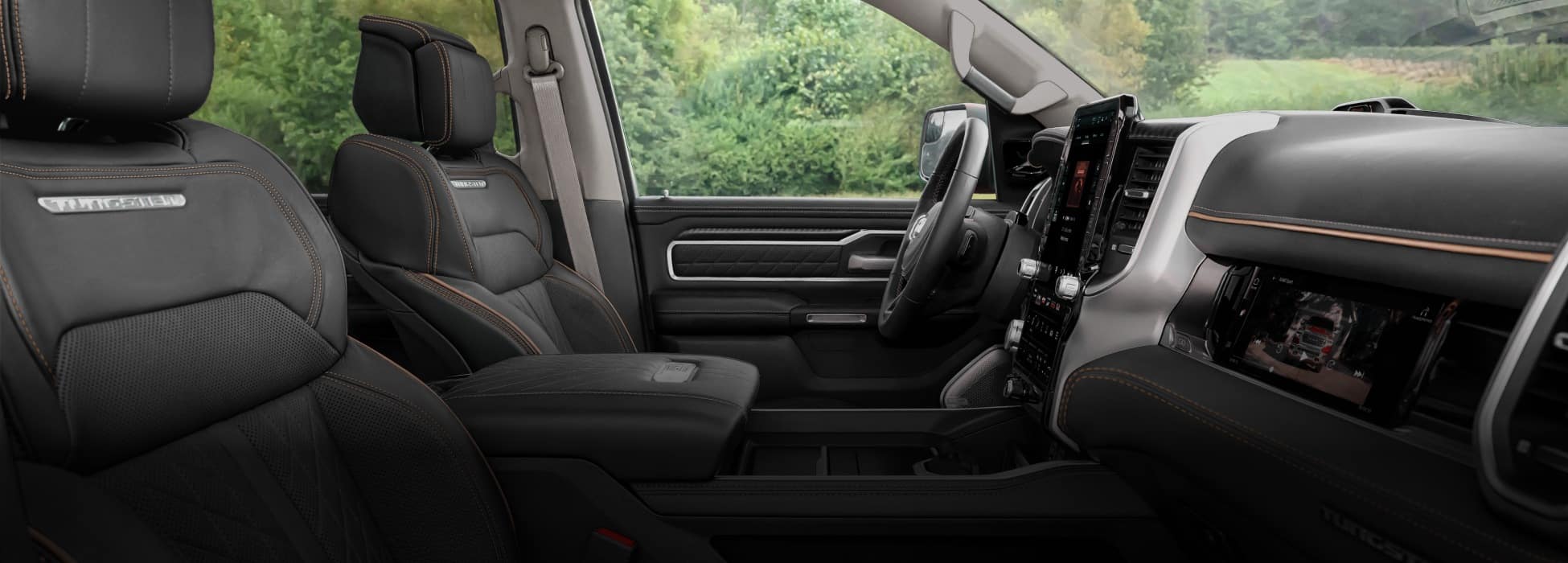
Two pickup starting points
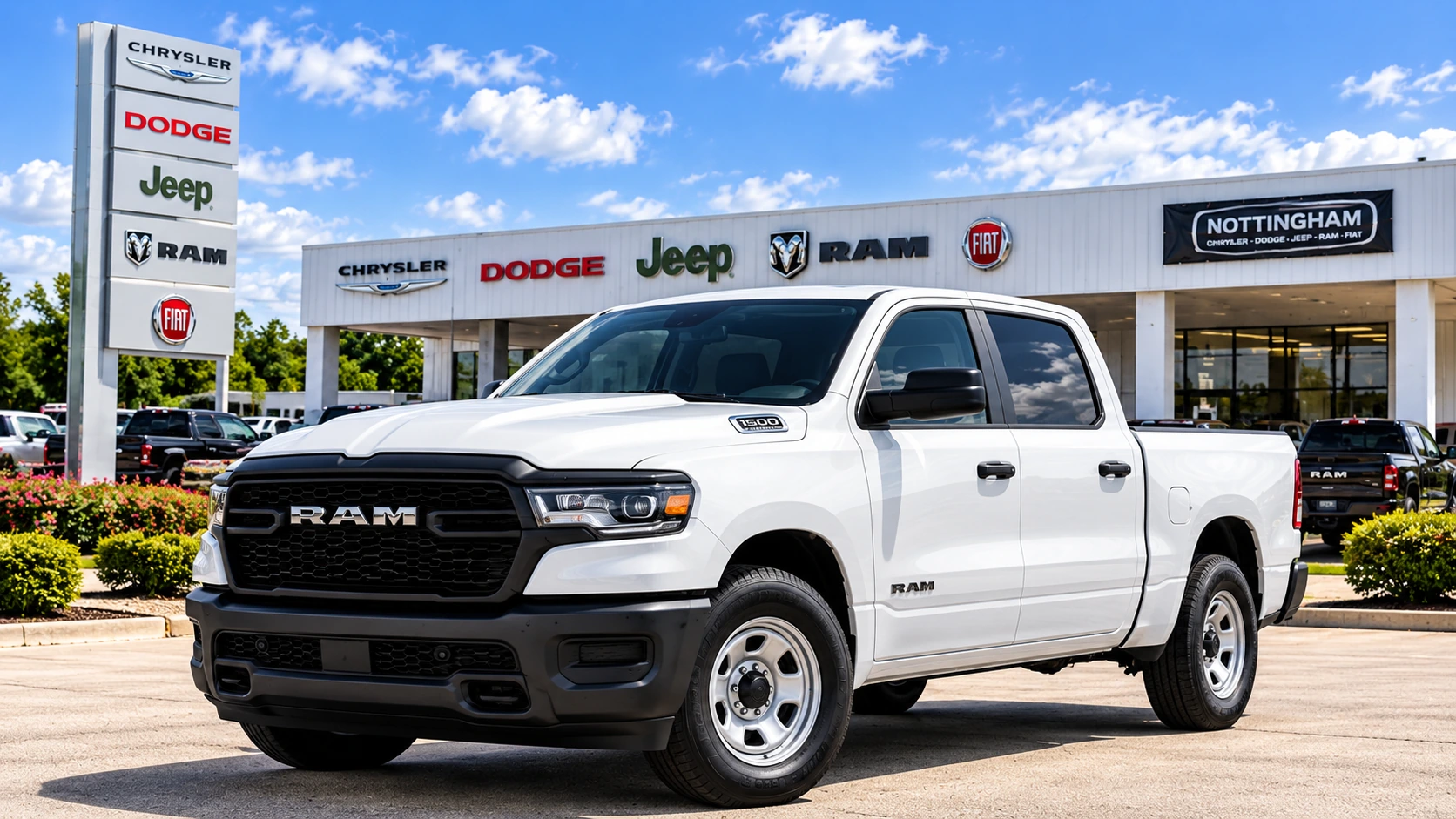
Compare the actual cab and bed
RAM 1500
For 2026, RAM documents multiple engine choices and a maximum available bed cargo length of 76.3 inches. That maximum does not describe every RAM 1500 or prove the bed configuration in this illustration.
- Identify the selected cab, bed and powertrain.
- Match equipment and applicable ratings to that candidate.
Choose a particular configuration to compare, rather than an entire lineup’s maximum figures.
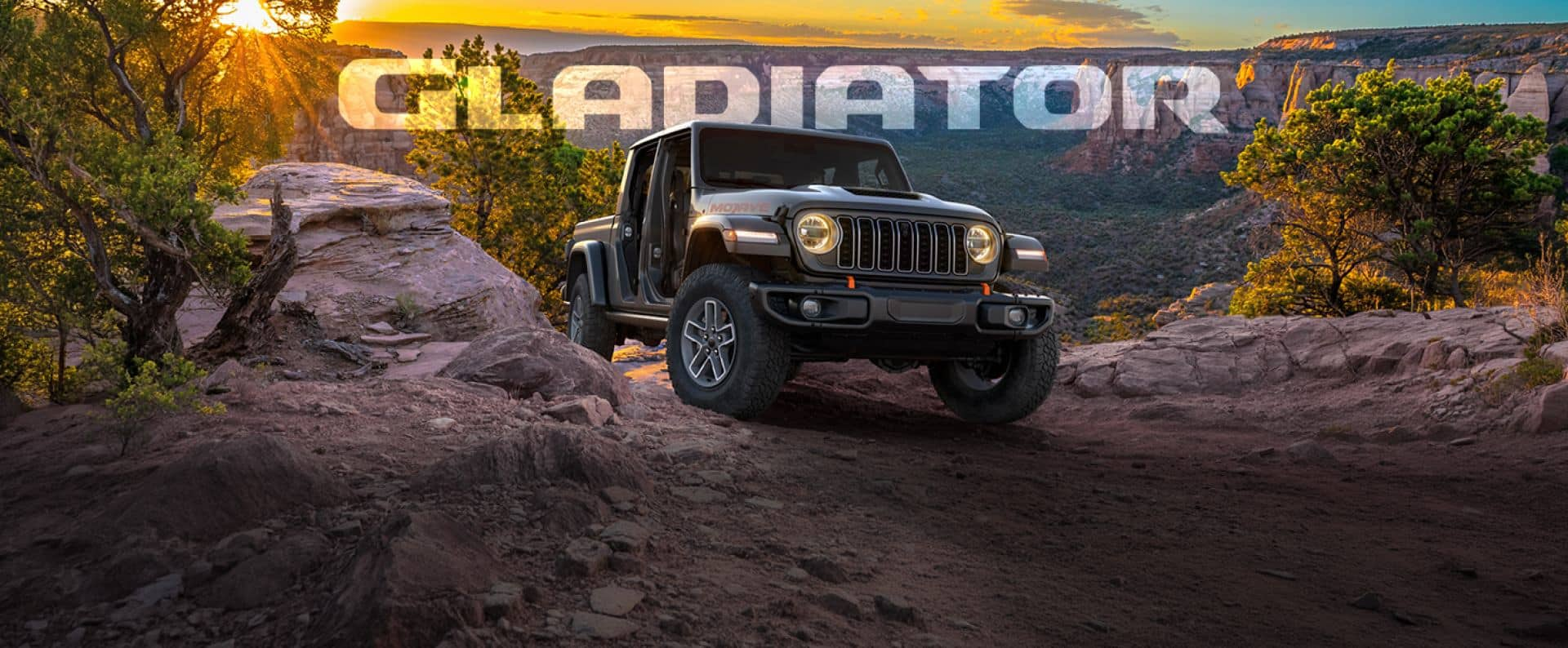
Compare the pickup and its intended use
Jeep Gladiator
Jeep’s 2026 FAQ lists a 60.3-inch bed length with the tailgate closed. It also describes trim-dependent equipment; the pictured vehicle is not an equipment record for another Gladiator.
- Check cabin and bed access with your normal passengers and cargo.
- Confirm the actual trim, installed equipment and applicable limits.
A different pickup form deserves its own space and use assessment, not assumptions borrowed from another Jeep.
Compare two candidates, not two collections of maximums
A lineup can contain different cabs, beds, drivetrains and option combinations. Select a configuration on each side before comparing dimensions or capability. Do not assemble a fictional truck from the best figures published for several different builds.
The bed figures above are dated manufacturer examples, not measurements of the pictured vehicles or a complete like-for-like comparison. For a particular cargo item, establish the usable space, access and installed accessories on the truck you are considering. Our bed-space guide covers that task in more detail.
Give passengers a real job in the comparison
List the people and belongings that normally travel together. Compare entry, seating adjustment, visibility, rear-seat access and where bags go while the required seats are occupied. Ask whether the arrangement you need is actually available on the selected candidate.
If child restraints are part of your use, follow the actual restraint and vehicle instructions and seek appropriate assistance. A comfortable impression or a seating-capacity label is not a child-seat compatibility certification. This article reports no hands-on fit test.
Check where the truck lives between trips
Your parking space and access route deserve attention alongside the bed. Use the actual vehicle’s applicable dimensions and evaluate clearance for mirrors, doors, accessories and the maneuvers you need. A general size category is not a guarantee that a particular garage or parking space will work.
Separate measured clearances from estimates. If a fit question cannot be resolved, leave it open rather than treating a camera system as a substitute for physical space. Discuss any stationary fit check or demonstration safely with the vehicle provider.
Bring the load and ownership questions back in
If hauling or towing matters, use the actual loaded requirements and the candidate’s applicable limits. A longer bed, more horsepower or a model’s advertised maximum does not settle every load question. Relevant labels, configuration and equipment still control.
Then compare the complete ownership plan: actual purchase terms, financing if applicable, maintenance requirements and the equipment you will use. The useful choice is the candidate that meets your requirements with understood tradeoffs. This is an educational comparison, not a road-test score or a recommendation that either truck is best for every reader.
Questions readers ask
Are the bed lengths above a complete comparison of two actual trucks?
No. They are 2026 manufacturer-published examples with different scope. Confirm the selected configuration and actual usable space.
Does the higher advertised towing figure settle the choice?
No. Use the actual configuration, loaded requirements and every applicable limit, alongside your other needs.
Keep learning
- Tonneau Cover vs. Truck Cap: Choose Around What Goes in the Bed
- Open, Limited-Slip and Locking Differentials: What Changes at the Axle?
Related published guides: Truck Bed Size: Measure the Space Your Cargo Actually Uses · A Better Test Drive: Bring Your Real Life Along · Used-Truck Mileage vs. Age: Which Questions Matter More?.
Research behind this article
- RAM — 2026 RAM1500 FAQs
- Jeep — 2026 Gladiator FAQs
- Applicable vehicle, equipment and child-restraint instructions
By Bonham Chrysler · Prepared with AI assistance · Published November 2, 2026. Images and conceptual diagrams are qualified where shown. No hands-on test or technical certification is claimed.