
Bonham field notes · Understand your vehicle
A light that disappears later still deserves a pressure check.
Cold weather can bring a tire-pressure warning that appears at startup and disappears later. NHTSA explains that marginally low pressure can fall below the warning threshold overnight and rise as conditions change. The light going out is not a substitute for inspecting the tires and checking pressure.
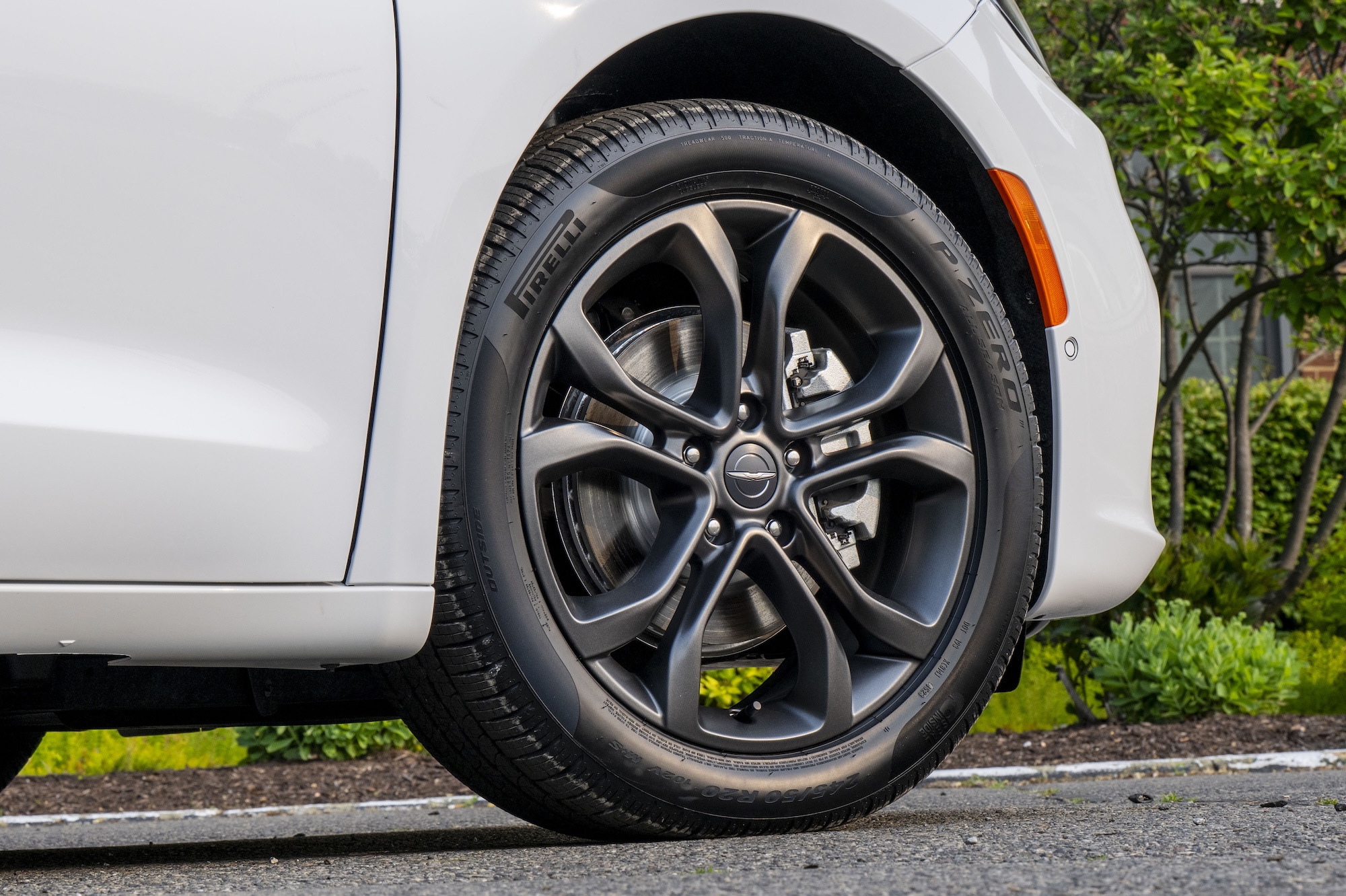
Temperature can change the reading; it does not explain every cause
A tire can have a pressure concern even when it looks ordinary. NHTSA notes that underinflation can be difficult to recognize visually and that TPMS is not a substitute for regular tire care. Use an appropriate gauge and the applicable vehicle instructions rather than judging inflation from appearance alone.
The weather is context, not a diagnosis. A leak, damage, an equipment issue or another concern may require appropriate evaluation. Record what happened instead of deciding from the season that nothing needs attention.
Read the actual warning behavior
Note the symbol or message, whether it stays on or changes, when it appears and any other concern you notice. NHTSA distinguishes low-pressure warnings from patterns that can indicate a monitoring-system malfunction. Check the correct owner instructions for your vehicle’s display and response.
If there is a handling concern, visible tire damage or another immediate safety issue, stop in a safe location and seek appropriate assistance. This article cannot assess whether an individual vehicle is safe to continue driving. Do not keep driving simply to make a warning disappear.
Use the vehicle’s guidance, not an internet pressure number
Identify the tire-information placard and applicable owner instructions. Resolve any nonstandard tire or load configuration with a qualified professional. Do not treat a tire-sidewall marking, a friend’s truck pressure or a generic online value as the setting for every vehicle.
Follow the instructions for checking and correcting pressure, including the stated measurement conditions. This article supplies no inflation value, sensor-relearn sequence, reset procedure or instruction to bypass a warning. The proper next step depends on the actual vehicle and what is found.
Make a useful note before a service conversation
A short observation helps: when the message first appeared, the conditions, which readings were checked and what was done afterward. Separate a gauge measurement from an assumed number. Keep dates and units attached so the information is understandable.
For example, a useful note says that the warning appeared before a morning trip, identifies the actual checks performed and describes the later behavior. It does not declare that a sensor is defective just because the lamp changed. Ask a qualified provider to evaluate unresolved concerns and explain the findings.
Do not confuse a quieter dashboard with a completed investigation
The purpose of the check is to understand the tires and system, not just the lamp. If the warning returns or its behavior remains unexplained, follow up using the applicable guidance. Keep any inspection findings and instructions with your vehicle records.
For winter travel, combine those findings with your broader readiness plan. For replacement-tire proposals, compare the exact product and installed scope separately. This article addresses the warning question; it does not establish a maintenance interval, replacement need or a particular repair.
Questions readers ask
Can I ignore the warning if it turns off as the day warms?
NHTSA advises inspecting the tires and checking pressure when the symbol comes on and off. Resolve the cause rather than relying on the changed lamp.
Does cold weather prove the TPMS sensor has failed?
No. A warning pattern alone does not diagnose the cause. Use the applicable instructions and appropriate assessment.
Keep learning
Related published guides: Two Tire Quotes, One Fair Comparison · Winter Road-Trip Preparation: Resolve the Vehicle Questions Before You Pack · Read a Repair Estimate Before You Approve the Work.
Research behind this article
- NHTSA — TireWise: TPMS questions and tire-pressure guidance
- Michelin USA — tire-pressure measurement and maintenance guidance
- Applicable vehicle owner instructions
By Bonham Chrysler · Prepared with AI assistance · Published November 2, 2026. Images and conceptual diagrams are qualified where shown. No hands-on test or technical certification is claimed.