
Bonham field notes · Understand your vehicle
Understand the words in the estimate before discussing the proposed work.
In a disc-brake system, pads, the rotor and the caliper work together. Their names are not interchangeable. Understanding each part’s role makes it easier to follow an explanation of what was inspected and why particular work is proposed.

The three component names
Friction interface
Brake pads
The pads present friction material to the disc during braking. The specified pad and its condition matter as part of the designed system.
A pad recommendation should be connected to the findings for the actual vehicle.
Rotating disc
Rotor or brake disc
Rotor and brake disc describe the rotating disc that the pads act against. Its condition and applicable specifications are different questions from the pad’s condition.
A new pad does not by itself establish that an existing rotor is suitable.
Applies the clamping action
Brake caliper
The caliper uses its pistons and associated arrangement to press the pads against the disc. Fixed and floating designs achieve that task differently.
A caliper concern needs its own explanation; it is not simply another name for worn pads.
Think of the parts as a system
Brembo explains braking as the interaction of components, including the disc, pad friction material and caliper clamping action. Those functions help explain why an estimate can refer to more than one part without those names meaning the same thing.
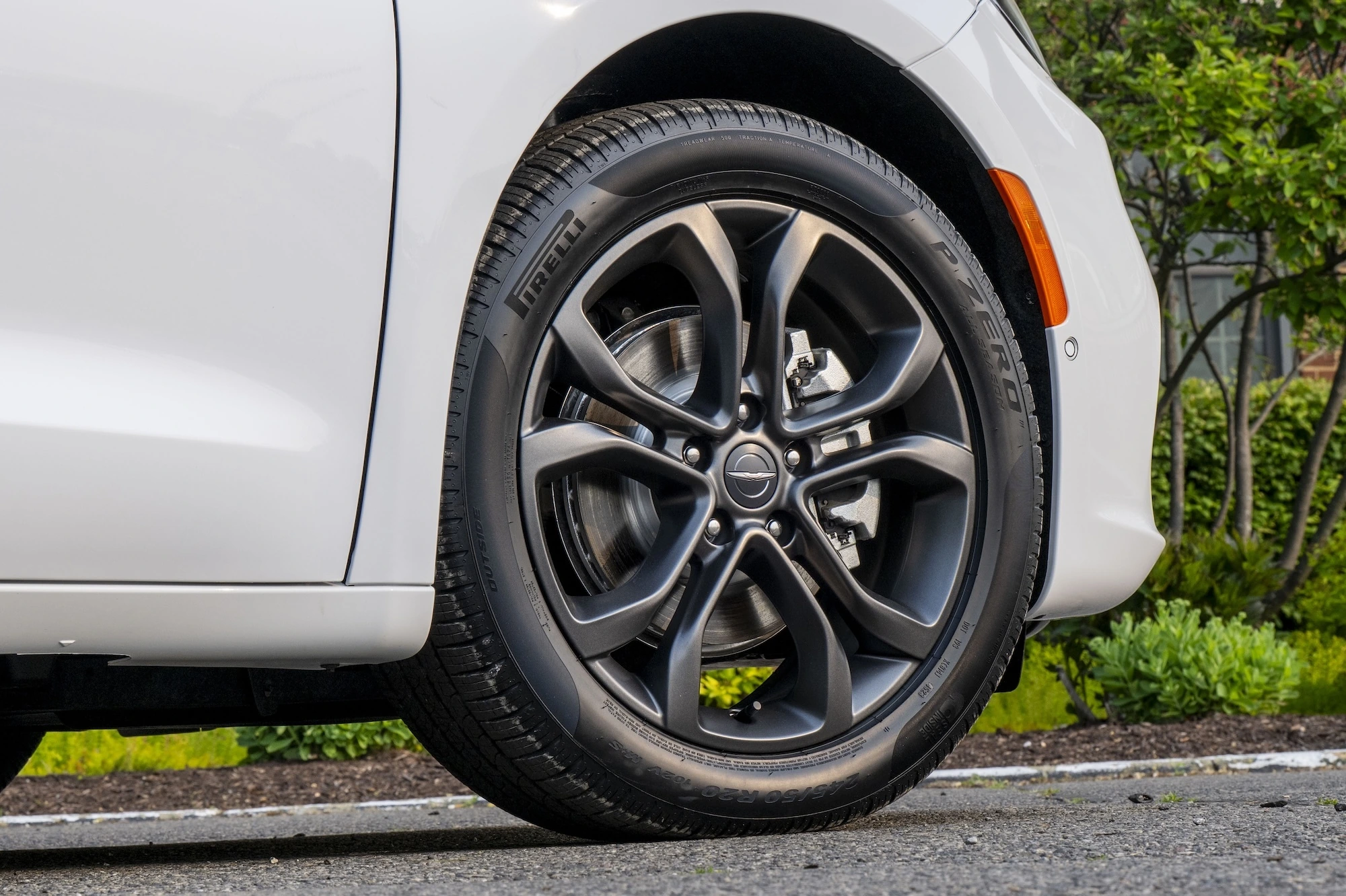
This guide concerns common disc-brake terminology. Vehicles can have different brake arrangements, including drums, and different instructions or specifications. It is not a parts catalogue or a diagnosis of any vehicle pictured in an illustration.
Ask what was found, not just what was named
If an estimate lists pads and rotors, ask which findings support each proposed operation. Request an explanation of the relevant measurements or inspection results in ordinary language. Keep the actual specification and vehicle application with any figures provided.
If a caliper is listed, ask what condition was identified and how it relates to the reported concern. A familiar symptom description alone cannot prove which component needs work. This article gives no wear threshold, resurfacing decision rule or replacement diagnosis.
Separate the required job from the product description
Ask which axle or wheel positions the proposal covers, what parts and labor are included and what additional findings would change the scope. Two quotes that use the word brakes may describe different work. Keep optional products and conditional recommendations identifiable.
Different materials or a performance-oriented appearance do not establish that a component is the right choice for the actual system. Use the applicable vehicle and part information and qualified advice. This guide makes no stopping-distance or performance improvement claim.
Keep the conversation clear when work changes
Before authorizing, confirm how the provider will explain new findings, seek additional authorization and document changes. At completion, compare the invoice with the agreed scope and retain relevant findings and follow-up instructions. Our repair-estimate guide covers that recordkeeping in more depth.
Brake concerns can be safety-critical. If braking performance is affected or the vehicle presents an immediate concern, seek appropriate help rather than relying on this explanation to continue driving. No lifting, disassembly, adjustment or road-test procedure is provided here.
Questions readers ask
Does a recommendation for pads automatically mean a caliper is defective?
No. Ask for the findings supporting each proposed part or operation. The components perform different jobs.
Can this article tell me whether my rotors should be resurfaced or replaced?
No. That requires the actual vehicle, inspection findings, applicable specifications and qualified judgment.
Keep learning
Related published guides: Read a Repair Estimate Before You Approve the Work · Repair or Replace an Older Truck? Compare the Same Time Period. · GAP vs. Service Contract vs. Factory Warranty: Different Jobs.
Research behind this article
- Brembo — braking-system components and system approach
- Brembo Parts — brake-caliper technology and operation
- Chevrolet Vehicle Support — The Brake System
- FTC — Auto Repair Basics
By Bonham Chrysler · Prepared with AI assistance · Published November 2, 2026. Images and conceptual diagrams are qualified where shown. No hands-on test or technical certification is claimed.